Posts

Showing posts with the label self-compassion

Yoga Practice to Support Recovery

Image
By Julie Choi Julie is a counseling intern and graduate student working towards a Master of Arts in Counseling Psychology at National University. Julie began teaching mindfulness practices in 2003, specializing in the traditional method of Ashtanga Yoga. Like yoga, Julie believes that therapy should be a client-led process that unfolds in a supportive and accepting space in which students can feel safe and free to have their unique and evolving needs responded to with a compassionate and individualized approach. Come check out Julie’s 5-minute yoga experience and many other events at Health Services’ upcoming Wellness Festival on Thursday, April 11th, from 11 am – 2 pm   According to the National Survey on Drug Use and Health (NSUDH), about 1 in every 12 American adults have experience with substance abuse. Holistic approaches to managing addiction have been shown to counteract the symptoms of addiction as well as to aid in its recovery. Yoga is a complementary practice that is ...
Can Viewing Relapse as a Part of the Recovery Process Support Your Recovery?

Image
By Tanya D/Angelo, APCC If change was easy and intuitive, we would have done it already. With any form of behavior change, whether related to substance use or otherwise, it takes intention and a bit more trial and error than we would often like. I invite you to consider if viewing relapse as part of the recovery process, rather than as a failure, might support your journey. In the instance that relapse does occur and it is viewed as simply part of the process: We can experience it as a natural part of a very human process and this removes potentially harmful judgements. The pressure of perfection is eliminated therefore making the ordeal less stressful, so we can bounce back swiftly. It becomes easier to get back to the action phase of the behavior change because we are not bogged down by guilt that tells us who we are based on a single occurrence. It opens the door to self-compassion, which has its roots in wanting to relieve suffering, allowing us to be kind and understanding toward ...

How Mindful Self-Compassion Can Support Our Recovery

Image
By Tanya D'Angelo, APCC The defining characteristics of mindful self-compassion include mindfulness, recognizing our common humanity and self-kindness. Each of these ingredients can offer a bit of support depending on what is needed in the moment. Below are a few options within each category to consider. Mindfulness We can attune to our senses in the moment, without judgment. This can lead to stress reduction. Without jumping ahead or worrying about the past, take things moment by moment only dealing with what we are able to as it comes. We can build awareness around why we were drawn to the particular behavior or substance. This awareness can help us recognize what we are needing more of in our life in order for us to more readily meet those needs in ways that align with our long-term goals. Common Humanity In the instance that relapse does occur, we experience it as a natural part of a very human process and this removes feelings of shame and potentially harmful self-judgement....

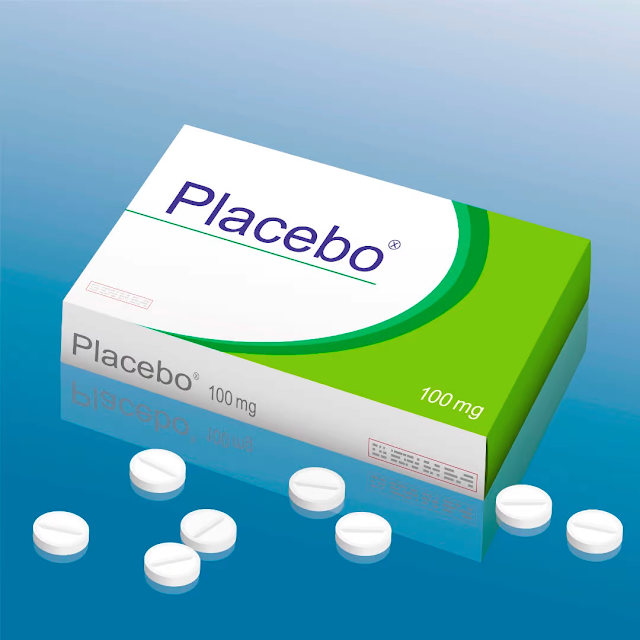
Why Placebos Work

Image
  By Kim Marquardt, RN MSN This blog post is from the Nurse Kim archives of myth busting. I want to share some "alternative" or maybe just lesser known health and wellness viewpoints for you to chew on. *These posts are not intended as official medical advice. They ARE meant to be fun, informative, and thought provoking, hopefully sparking an interest for you to do your own research (you can start with the links I provide!) and discover the marvels of the human body, and how it can function at its optimal performance level if we understand how it works and interacts with our environment and our diet. I have a passion for health and wellness through lifestyle and nutrition and have done thousands of hours of research in addition to being a registered nurse for 23 years. I have done A LOT of self-experimentation in and around diet, lifestyle, body care, and supplementation and have spent a lot of time looking into the science behind it all (or lack thereof!). Check back weekly ...

I Have Great News! There Is No Work Life Balance.

Image
  By Kim Marquardt, RN MSN This blog post is from the Nurse Kim archives of myth busting. I want to share some "alternative" or maybe just lesser known health and wellness viewpoints for you to chew on. *These posts are not intended as official medical advice. They ARE meant to be fun, informative, and thought provoking, hopefully sparking an interest for you to do your own research (you can start with the links I provide!) and discover the marvels of the human body, and how it can function at its optimal performance level if we understand how it works and interacts with our environment and our diet. I have a passion for health and wellness through lifestyle and nutrition and have done thousands of hours of research in addition to being a registered nurse for 23 years. I have done A LOT of self-experimentation in and around diet, lifestyle, body care, and supplementation and have spent a lot of time looking into the science behind it all (or lack thereof!). Check back weekly ...

The Best FREE Healthcare!

Image
By Kim Marquardt, RN MSN This blog post is from the Nurse Kim archives of myth busting. I want to share some "alternative" or maybe just lesser known health and wellness viewpoints for you to chew on. *These posts are not intended as official medical advice. They ARE meant to be fun, informative, and thought provoking, hopefully sparking an interest for you to do your own research (you can start with the links I provide!) and discover the marvels of the human body, and how it can function at its optimal performance level if we understand how it works and interacts with our environment and our diet. I have a passion for health and wellness through lifestyle and nutrition and have done thousands of hours of research in addition to being a registered nurse for 23 years. I have done A LOT of self-experimentation in and around diet, lifestyle, body care, and supplementation and have spent a lot of time looking into the science behind it all (or lack thereof!). Check back w...

Why Can Art Therapy Be Better Than Talk Therapy?

Image
My name is Chauntrell “Chanti” Turner. I am a current student at MiraCosta College and Palomar College, studying to get my Doctorate in Psychology to become an Art Therapist. At MiraCosta, I work with Health Service as a Peer Educator and Co-Facilitate the Black Student Support Group with Tammah Watts. Additionally, I am part of the Umoja Program on campus. As a Peer Educator, I provide MiraCosta students with resources by pointing them in the right direction. In addition, to help them overcome any physical or mental barriers on campus. I have given the other Peer Educators different art topics and activities to bring to our tabling events on campus to support the students. Over the Spring semester, I have been working closely with Tammah. As a result, we created a space where Black students are supported in their daily lives and can express themselves freely. We added Poetry and Outings with Nature this semester to give students more opportunities to allow themselves to deal with ever...

Beach Visits and Stress Reduction

Image
By Patricia Rand With the MiraCosta College campuses located so close to the Pacific, you may have plans to head to the beach over the weekend. The ocean is a place many of us love to be. Whether it’s to surf, check out the view, exercise or walk at sunset, or spend a picnic day with friends, the beach can be the perfect place. In addition to being a lot of fun, you may notice your mood is better and you feel calmer around the ocean. Spending time near the water has positive effects on mental health. Nearness to the coast, and other ‘blue spaces’ like rivers, lakes, canals and waterfalls, is associated with both physical and mental wellbeing, increased levels of vitamin D, improved social life, less anxiety, and increased creativity. Studies have shown that the negative ions in the air around water have benefits for the body and increase serotonin production. Negative ions help us fight fatigue, depression, energy depletion, burnout, and stress. Negative ions are made in nature and he...

What is an Outlet?

Image
  By Liliana Briscoe, one of our Mental Health Peer Educators at MiraCosta College. She is majoring in Social Work and plans to transfer to a 4-year university in Fall 2023. In relation to mental health, an outlet releases or expresses feelings and emotions in a positive or productive way. Oftentimes outlets are used to relieve stress. What are some of the types of outlets? Art therapy —  From drawing to glassblowing, art can be quite therapeutic to some people. Doing something with your hands or having something that requires all your focus can really help you get out of your head. Exercise —  Things like running, gardening, yoga, and other physical activities. Exercise has been shown to be beneficial to people’s mental health. It’s been proven that aerobic exercise, which encompasses a wide range of activities, helps reduce anxiety and depression. Activities that require you to be outside are especially beneficial because of how being outdoors relieves stress. Music —...

Procrastination

Image
By Agne Bolsakova, Mental Health Counselor Does procrastination sound familiar?  If it does, you probably know that it can be a big obstacle to timely completion of assignments. Procrastination is an act of avoidance. It results in more stress, more overwhelm, and missed opportunities. To address it, it might be helpful to ask yourself: “What am I avoiding?”  Does the task in front of you seem too big and overwhelming?  Are you afraid to fail?  Are you a perfectionist hesitant to approach the project because you may not meet your own expectations?  Tips to confront procrastination: Start by reframing negative perceptions about the task and/or yourself.  Break down larger assignments into smaller chunks and focus on starting the first step.  Create a reward system for yourself for completed tasks.  When you take a break, set a timer so a 10-minute break does not turn into a 30-minute one.  Refrain from surfing the internet or social media duri...

Green Care

Image
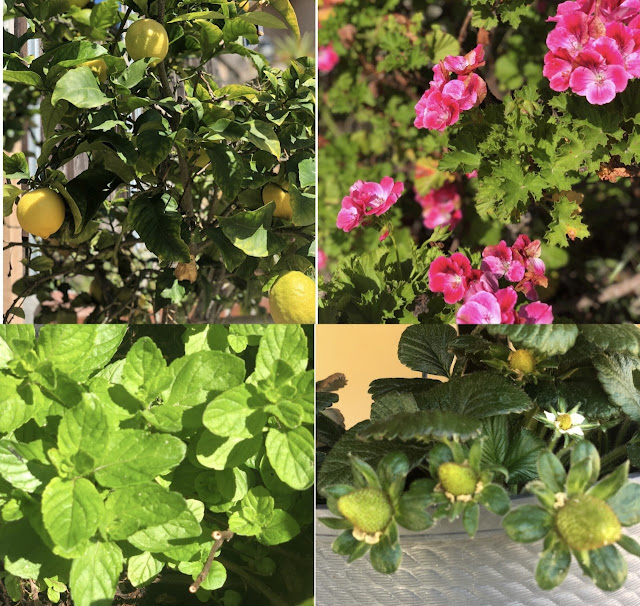
By Pricilla Carrizosa. Pricilla Carrizosa is a Mental Health Peer Educator, and currently majoring in Social Work, she will be transferring to California State University of San Marcos in the fall as a Graduate Student pursuing her Master’s in Social Work. Holistic therapies, such as green care, are starting to become more well known and suggested by doctors and therapists. Green care is a type of therapy where you are exposing yourself to gardening and plants. I’ve always liked to garden since I was a child, but as an adult I’ve made so many excuses as to why I didn’t have time to do it. That changed a few months ago when I had an appointment with my doctor to discuss my anxiety and mental health. I had recently begun to experience more severe anxiety due to personal life events and my doctor suggested a few holistic treatments to try that included new vitamins, guided meditation, and gardening. She explained how spending more time outside increases your serotonin levels which can hel...

Cooking for Mental Health

Image
  Hi! My name is Parmis Sanaei and I am a third year student here at MiraCosta as well as a Mental Health Peer Educator. I am majoring in Social Work and Human Services. I have found a love and passion for cooking not just for tasty food, but as a means to sustain my mental health and create a healthy relationship with food. Not everyone enjoys the activity of cooking - the amount of dishes you have to clean up after, the food preparation, all the dedicated time, and not to mention, the risk of creating something that doesn’t taste so good. As students, it can be even harder having access to different ingredients and cooking at home on top of balancing a full-time schedule can be difficult. But, researchers have learned that cooking has so many benefits for not just our physical health, but for our mental health as well. No matter if you’re making Kraft Macaroni and Cheese all the time or testing out a new recipe from scratch, cooking allows you to practice mindfulness, self-care, ...

The Connection Between Eating Disorders and Sexual Violence

Image
  Laura Palumbo Like sexual violence, all forms of disordered eating (such as  anorexia, bulimia, and binge eating disorder ) can affect anyone at any age. Also like sexual harassment, assault, and abuse, it is critical to combat the stigma, silence, and shame around eating disorders by bringing these issues into the light, acknowledging they are widespread, and uplifting that no one should have to struggle alone.  In honor of   National Eating Disorder Awareness Week , we’re talking about the intersection of these two critical issues to help illuminate the reality that survivors of trauma including sexual harassment, assault, and abuse are more likely to struggle with eating disorders and other forms of disordered eating.  Why Is It Important? Understanding  the connection  between sexual trauma and eating disorders is vital for those working with survivors of sexual assault and individuals recovering from an eating disorder. Offering mea...